Primary
Without Doors: Primary includes the overall framework to successfully implement 28 weeks of lessons in Bible, history, geography, literature, poetry, picture study, composer study, hymns, folk songs, and nature study for students ages 6-7.
One printed book combined with the items noted on the supply list provides a rich foundation for a Charlotte Mason education. The lessons are simple and clearly laid out in a weekly plan.
Your student will develop good habits in nature journaling, narration, recitation, copywork, and more!
This effortless curriculum will bring joy and freedom to your family!
Please Note: Without Doors: Primary is designed specifically for students ages 6-7. Ideally, students should have an introduction to foundational concepts before moving to family-style learning. Without Doors: Primary is ideal if you are new to Charlotte Mason, if your oldest child is 6, if you are homeschooling an only child, or if you have a large age gap between students. It is a resource for parents interested in targeting their form 1B/1st grade student. If you are homeschooling multiple elementary students, you may want to simplify and include your 6-7 year old in a family-style book that includes content for 1st-8th grade.
-
Student Supplies
Globe
Compass
Thin Sharpie
Travel Watercolor Set
Nature Journal
Play-Doh or Air-Dry ClayBook List
Charlotte’s Web, by E. B. White
Eyes and No Eyes: By Pond and River, by Arabella B. Buckley
Eyes and No Eyes: Wild Life in Woods and Fields, by Arabella B. Buckley
Geography from A to Z: A Picture Glossary, by Jack Knowlton
Little House in the Big Woods, by Laura Ingalls Wilder
Pilgrim Stories, by Margaret Pumphrey
Stuart Little, by E.B. White
The Boxcar Children (No. 1), by Gertrude Chandler Warner
The Random House Book of Poetry for Children, by Jack Prelutsky
As an Amazon Associate, I may earn a small commission from qualifying purchases at no extra expense to you. -
Bible includes an introduction to Psalms, Bible stories, and the parables of Jesus. There is a scripture memory that coordinates with each week’s Bible passage.
-
Charlotte Mason recommends beginning with the history of a student’s native country. Without Doors: Primary includes an introduction to the “heroic age” of American history. There is a weekly picture book highlighting people and events from early America.
*If you are not American, Without Doors: Primary is still a great option and can easily be adapted by swapping out the history picture books. See the Without Doors: Canada or Without Doors: UK descriptions for other picture book suggestions.
-
Without Doors: Primary highlights basic geography concepts.
-
Students will read five living books aimed at primary students. They will also have an introduction to fables and fairy tales (no magic or sorcery).
Copywork coordinates with weekly lessons, building a strong foundation in spelling and grammar.
Your child will be introduced to poems written for children by a variety of revered poets. Students will recite short poems and enjoy poetry tea time!
-
Students focus on rotating enrichment topics including: Composer Study, Artist Study, Hymn Study, and Folk Songs.
Children will enjoy learning folk songs and four hymns.
Students will be introduced to classical music through short, joyful lessons.
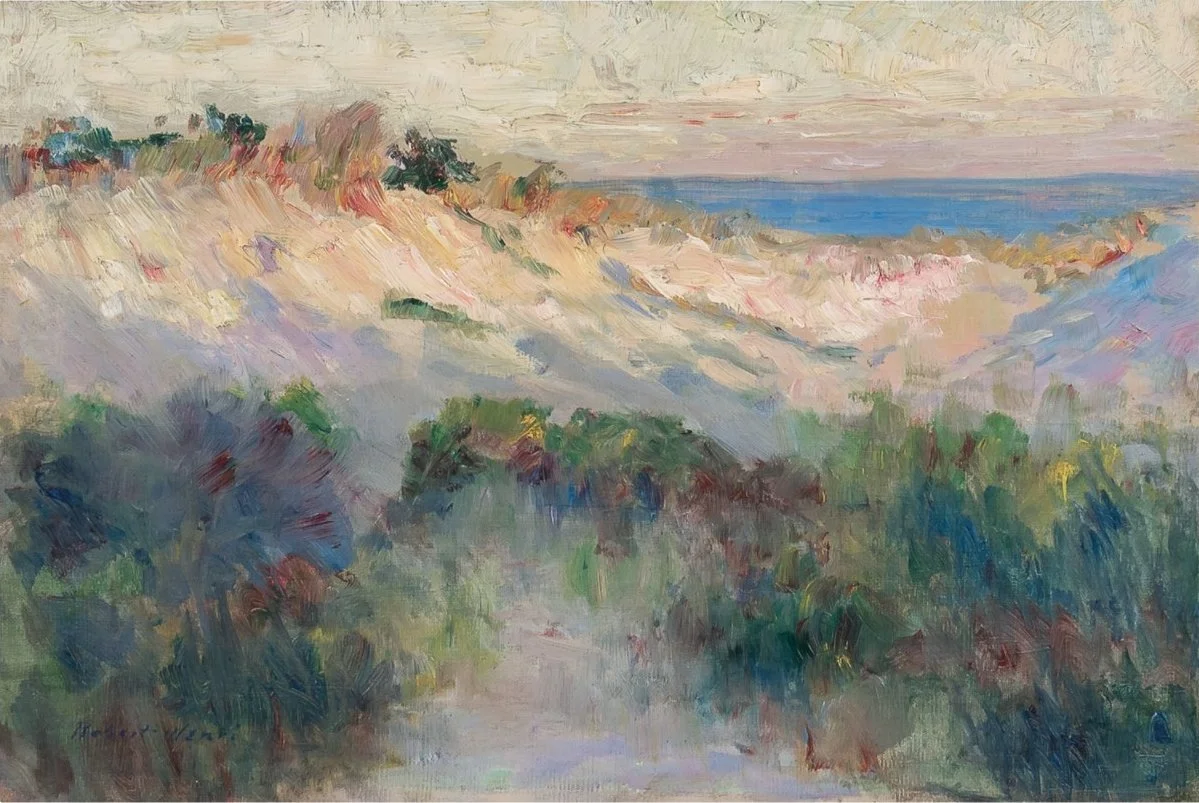
The picture study paintings are carefully chosen to delight young children. Artists studied include John Singer Sargent and Robert Henri.
-
The nature lore readings delight families while grounding students in scientific knowledge of wildlife in woods and fields and by ponds and rivers. Out-of-door nature walks and nature journaling prompts inspire an interest in God’s beautiful creation.
-
Little Pilgrim’s Progress, by Helen A. Taylor
Five Little Peppers and How They Grew, by Margaret Sidney
Gladiola Garden, by Effie Lee Newsome
The Reasons for the Seasons, by Gail Gibbons -
Moonstruck: The Seasons of the Sioux, by Eve Bunting
Columbus, by D'Aulaire
Leif the Lucky, by D'Aulaire
America Begins, by Alice Dagliesh
Homespun Sarah, by Verla Kay
Pocahontas, by D'Aulaire
The Thanksgiving Story, by Alice Dagliesh
Squanto and the Miracle of Thanksgiving, by Eric Metaxas
Ox-Cart Man, by Donald Hall
Dear Benjamin Banneker, by Andrea Davis Pinkney
Hornbooks and Inkwells, by Verla Kay
Benjamin Franklin, by D'Aulaire
The Boston Tea Party, by Russell Freedman
A Picture Book of Paul Revere, by David A. Adler
The 4th of July Story, by Alice Dagliesh
George vs. George: The American Revolution as Seen from Both Sides, by Rosalyn Schanzer
A Picture Book of Thomas Jefferson, by David A. Adler
A Picture Book of Daniel Boone, by David A. Adler
George Washington: His Legacy of Faith, Character, and Courage, by Demi
A Picture Book of Sacagawea, by David A. Adler
Our Flag Was Still There, by Jessie Hartland
Johnny Appleseed, by Reeve Lindbergh
Dandelions, by Eve Bunting
A Picture Book of Davy Crockett, by David A. Adler
Black Cowboy, Wild Horses, by Julius Lester and Jerry Pinkney
Buffalo Bill, by D'Aulaire
Gold Fever, by Verla Kay
Follow the Drinking Gourd, by Jeanette Winter
They're Off: The Story of the Pony Express, by Cheryl HarnessAs an Amazon Associate, I may earn a small commission from qualifying purchases at no extra expense to you.
-
Charlotte Mason’s "Formidable List of Attainments for a Child of Six"
Without Doors: Primary is inspired by Home Education and this list:
1. To recite, beautifully, 6 easy poems and hymns
2. to recite, perfectly and beautifully, a parable and a psalm
3. to add and subtract numbers up to 10, with dominoes or counters
4. to read--what and how much, will depend on what we are told of the child
5. to copy in print-hand from a book
6. to know the points of the compass with relation to their own home, where the sun rises and sets, and the way the wind blows
7. to describe the boundaries of their own home
8. to describe any lake, river, pond, island etc. within easy reach
9. to tell quite accurately (however shortly) 3 stories from Bible history, 3 from early English, and 3 from early Roman history (my note here, we may want to substitute early American for early English!)
10. to be able to describe 3 walks and 3 views
11. to mount in a scrap book a dozen common wildflowers, with leaves (one every week); to name these, describe them in their own words, and say where they found them.
12. to do the same with leaves and flowers of 6 forest trees
13. to know 6 birds by song, colour and shape
14. to send in certain Kindergarten or other handiwork, as directed
15. to tell three stories about their own "pets"--rabbit, dog or cat.
16. to name 20 common objects in French, and say a dozen little sentences
17. to sing one hymn, one French song, and one English song
18. to keep a caterpillar and tell the life-story of a butterfly from his own observations.